
Synthetic Teak vs. EVA Foam Boat Flooring
These materials are often compared because both can dramatically change the appearance of a boat—but they are built around different priorities.
EVA foam emphasizes cushioning, lightweight construction and sport-oriented customization.
Synthetic teak emphasizes a firmer deck, plank-and-caulking design and premium marine styling.
Neither is automatically the right answer. This comparison will help you decide which experience fits your boat.
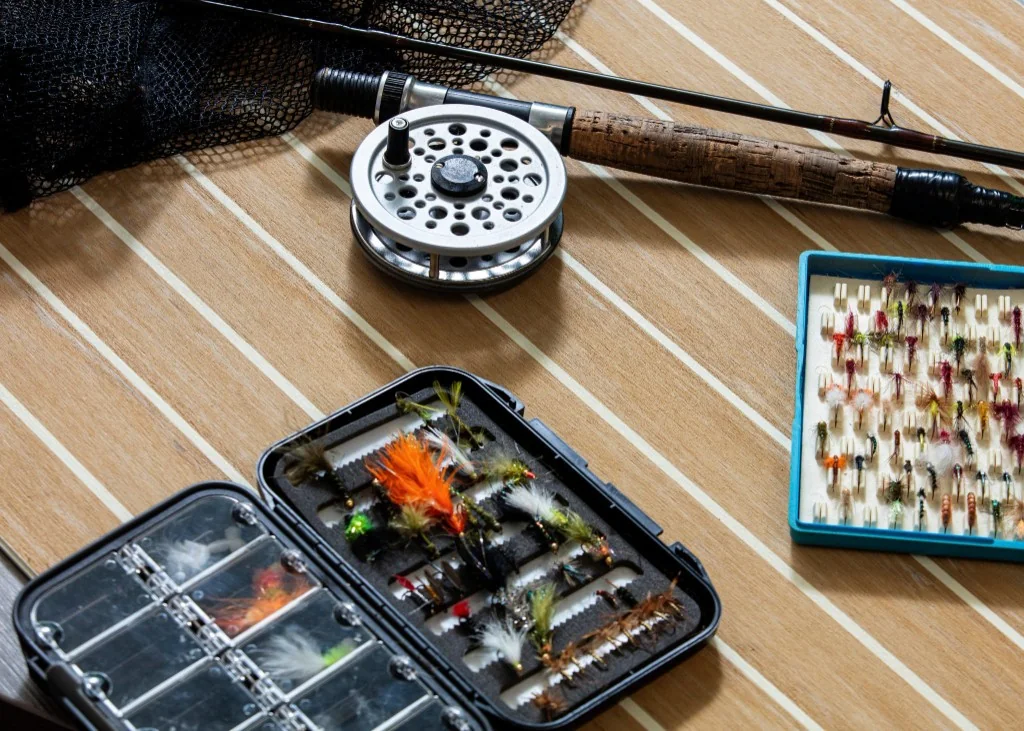
The Short Answer
EVA foam may be right for you if
- Cushioning is a major priority
- You want a softer standing surface
- You like sport graphics and routed patterns
- You want layered color options
- You prefer contemporary foam styling
Synthetic teak may be right for you if
- You want a firmer deck
- You prefer teak-inspired marine styling
- Plank direction matters
- Borders and caulking matter
- You want cockpit/platform continuity
- You want the flooring to resemble a fabricated marine deck
Key takeaways
- EVA foam emphasizes cushioning and sport-oriented styling; synthetic teak emphasizes plank-and-caulking design.
- Neither material is automatically right for every boat or owner priority.
- Compare heat feel, cleaning style, wear patterns, and the finished look you want.
| Consideration | EVA foam | Synthetic teak |
|---|---|---|
| Construction | Foam sheet or laminated foam panels | Manufactured marine decking with plank-and-caulking detailing |
| Feel | Generally softer and cushioned | Generally firmer and deck-like |
| Appearance | Sport-oriented layered or routed panel look | Teak-inspired plank and caulking look |
| Heat | Depends on product, color, weather and exposure | Depends on product, color, weather and exposure |
| Grip | Depends on texture, contaminants, water and wear | Depends on product texture, contaminants, water and wear; Flexiteek reports independently tested anti-slip performance for Flexiteek 3 |
| Cleaning | Follow the foam manufacturer’s guidance; routed textures may need attention | Follow synthetic-teak manufacturer-approved surface cleaning |
| Water | Surface water behavior varies by product and seams | Non-textile surface; seams and layout still matter |
| Wear | Depends on density, exposure, adhesive, traffic and care | Depends on product, exposure, installation, traffic and care |
| Customization | Colors, routed patterns, logos and layered designs | Colors, caulking, borders, planks, logos and fabricated panels |
| Installation | Preparation and adhesive-backed panel placement | Preparation, measurement or templating, fabrication and approved bonding system |
| Removal / replacement | Foam and adhesive removal may be required | Existing material and adhesive removal may be required |
| Repair | Often panel- or section-specific | Often panel- or section-specific depending on fabrication |
| Weight | Often lightweight relative to many hard decking systems | Varies by product and thickness; confirm for the selected system |
| Price | Varies widely by product and project scope | Generally a higher-investment fabricated decking category |
| Best fit | Owners prioritizing cushioning and sport styling | Owners prioritizing a firmer teak-inspired marine deck |
Construction
- EVA foam
- Foam sheet or laminated foam panels
- Synthetic teak
- Manufactured marine decking with plank-and-caulking detailing
Feel
- EVA foam
- Generally softer and cushioned
- Synthetic teak
- Generally firmer and deck-like
Appearance
- EVA foam
- Sport-oriented layered or routed panel look
- Synthetic teak
- Teak-inspired plank and caulking look
Heat
- EVA foam
- Depends on product, color, weather and exposure
- Synthetic teak
- Depends on product, color, weather and exposure
Grip
- EVA foam
- Depends on texture, contaminants, water and wear
- Synthetic teak
- Depends on product texture, contaminants, water and wear; Flexiteek reports independently tested anti-slip performance for Flexiteek 3
Cleaning
- EVA foam
- Follow the foam manufacturer’s guidance; routed textures may need attention
- Synthetic teak
- Follow synthetic-teak manufacturer-approved surface cleaning
Water
- EVA foam
- Surface water behavior varies by product and seams
- Synthetic teak
- Non-textile surface; seams and layout still matter
Wear
- EVA foam
- Depends on density, exposure, adhesive, traffic and care
- Synthetic teak
- Depends on product, exposure, installation, traffic and care
Customization
- EVA foam
- Colors, routed patterns, logos and layered designs
- Synthetic teak
- Colors, caulking, borders, planks, logos and fabricated panels
Installation
- EVA foam
- Preparation and adhesive-backed panel placement
- Synthetic teak
- Preparation, measurement or templating, fabrication and approved bonding system
Removal / replacement
- EVA foam
- Foam and adhesive removal may be required
- Synthetic teak
- Existing material and adhesive removal may be required
Repair
- EVA foam
- Often panel- or section-specific
- Synthetic teak
- Often panel- or section-specific depending on fabrication
Weight
- EVA foam
- Often lightweight relative to many hard decking systems
- Synthetic teak
- Varies by product and thickness; confirm for the selected system
Price
- EVA foam
- Varies widely by product and project scope
- Synthetic teak
- Generally a higher-investment fabricated decking category
Best fit
- EVA foam
- Owners prioritizing cushioning and sport styling
- Synthetic teak
- Owners prioritizing a firmer teak-inspired marine deck
Comfort: EVA Foam Has a Real Advantage
EVA is foam. Its cushioning is one of the category’s defining characteristics.
That can be valuable for helm stations, long standing periods, watersports, barefoot use and owners who simply prefer a softer deck.
Synthetic teak is firmer. An owner specifically seeking cushioning should not be told otherwise.
Appearance: Sport Deck vs Teak-Inspired Deck
This may be the deciding factor.
EVA often creates layered color, routed patterns, geometric design, logos and sport styling.
Synthetic teak often creates parallel planks, caulking, margin boards, borders, curved deck patterns and traditional or contemporary marine styling.
Does EVA Foam Get Hotter Than Synthetic Teak?
There is no responsible universal category answer.
Surface temperature depends on product, color, material formulation, sun exposure, duration, weather, airflow and shade.
Flexiteek reports that Flexiteek 3 can cool up to 30% faster than the first-generation fossil-fuel PVC decking alternatives used in its independent comparison testing. This is not a claim that Flexiteek is 30% cooler than every EVA foam product.
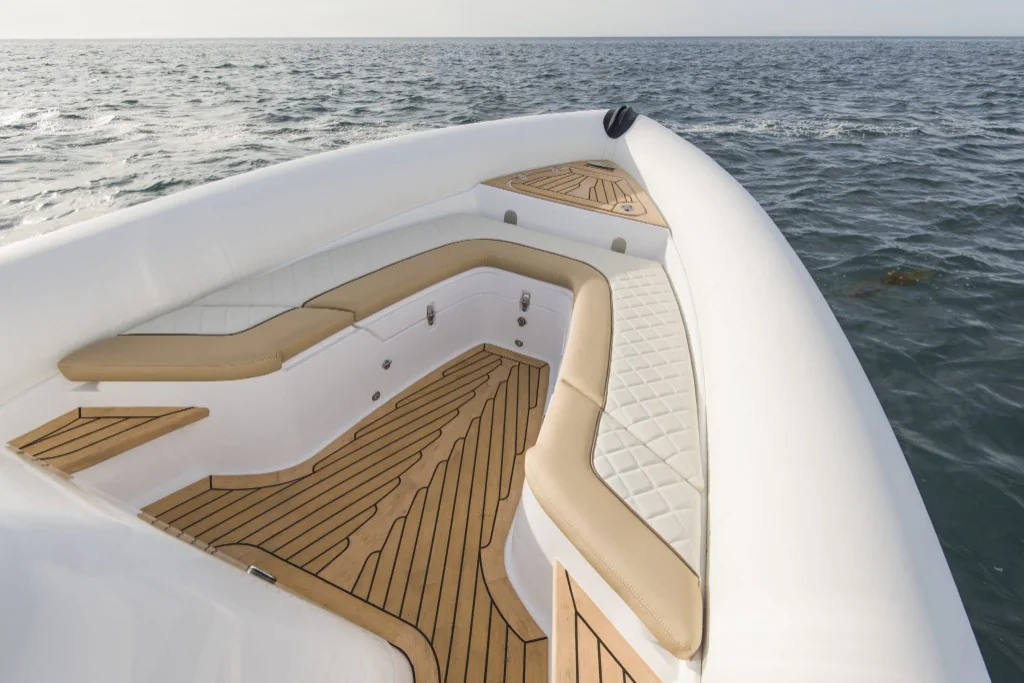
Grip & Wet Use
Both categories can provide useful traction when properly designed and maintained.
Grip depends on product, texture, contaminants, water, sunscreen, cleaning and wear.
Flexiteek reports independently tested anti-slip performance for Flexiteek 3. No marine flooring should be described as slip-proof.
Cleaning
Follow the specific manufacturer’s care instructions for the product on your boat.
EVA cleaning can be influenced by textures, routed areas, product formulation and contaminants.
Synthetic teak typically uses manufacturer-approved surface cleaning. See Flexiteek care and maintenance.
Replacing Old EVA Foam
Existing EVA may eventually be replaced because of damage, wear, lifting, styling preference, restoration, upholstery updates or a desire for a different deck feel.
Replacement often involves foam removal, adhesive removal, surface inspection, preparation, measurement or templating, new-floor design and installation.
Explore EVA foam boat flooring alternatives.
What About Cost?
Both categories vary widely.
EVA products span from relatively straightforward kits to highly customized premium systems. Synthetic teak often involves more extensive measurement, fabrication and layout work.
Compare complete project estimates rather than assuming category price from online material prices. See flooring options.
Where Each Material May Make the Most Sense
These are common fits—not exclusive rules.
EVA foam
- Helm pad
- Sport-oriented cockpit
- Watersports boat
- Owner prioritizing cushioning
Synthetic teak
- Custom cockpit
- Swim platform
- Cruiser
- Pontoon transformation
- Coordinated cockpit/platform
- Premium reflooring project
Synthetic Teak vs EVA Foam FAQs
Is Flexiteek EVA foam?
No. Flexiteek is a synthetic teak marine-decking system designed around a plank-and-caulking appearance. EVA foam is a different cushioned-panel category.
Which is softer, EVA or synthetic teak?
EVA foam is generally softer and more cushioned. Synthetic teak is generally firmer and more deck-like.
Which is hotter?
It depends on the exact product, color, sun exposure, weather and other conditions. Avoid treating either category as always cooler or hotter.
Can EVA foam be removed and replaced with Flexiteek?
Often yes, after foam and adhesive removal and surface preparation. See EVA foam alternatives for project context.
Which lasts longer?
There is no responsible universal lifespan comparison across every EVA and synthetic-teak product. Product quality, installation, UV exposure, use and care all affect service life. Compare the actual manufacturers’ current warranties and specifications rather than category claims.